33 What is Intelligence?【Intelligence】Dialogue with the Universe
・Intelligence is the capability of a language and a network.
Etymologically it is the capability of the selection accompanied by consciousness.
※ Origin of the word: Originate in a Latin verb "intellegere" and mean the ability of "legere(choose)" from "inter(between)" two or more choices. However, the instinct beforehand programmed by the gene is not intellect. Intellect is the acquired capability to create the possibility of new selection.
Reference:"System methodology archive" (~2011) Toshiya Nagai
http://www.systemicsarchive.com/ja/a/intellect.html
※ In Goo Dictionary, intellectus is the capability which gets to know things and considers and judges.Capability to perform man's intellectual action.
○Dolphin, Chimpanzee, and the Orangutan can recognize themselves.
→Since there are communications skills, it is not as man, but it can be said that it has intellectus.
○The main feature of intellectus is creative!
☆Level of intelligence
Level1 Frontal lobe of the brain to judge and create.
Level2 Brain is using artificial intelligence to auxiliary. (The current)
Level3 Brain and artificial intelligence do judgment and creativity together.
2015年12月2日水曜日


33 知性とは?【知性】宇宙との対話
33 知性とは?【知性】宇宙との対話
・知性(intellect)は言語及びネットワークの能力。語源的には、意識を伴った選択の能力。
※語源:ラテン語の動詞“intellegere”に由来し、複数の選択肢の“間から inter”“選ぶlegere”能力を意味する。ただし、選択の能力といっても、遺伝子にあらかじめプログラムされた本能は知性でない。知性は新しい選択の可能性を切り開く後天的な能力。
参照:「システム論アーカイブ」(~2011年)永井俊哉
http://www.systemicsarchive.com/ja/a/intellect.html
※goo辞書では、物事を知り、考え、判断する能力。人間の、知的作用を営む能力。
○イルカやチンパンジー、オランウータンは私を認識できる。
→コミュニケーション能力があることから、人間ほどではないが、知性を持つと言える。
○創造することは知性の最大特徴。
☆知性のレベル
レベル1 脳の前頭葉が判断・創造している。
レベル2 脳が人工知能を補助的に使っている。(現在)
レベル3 脳と人工知能が一体となって判断・創造している。
・知性(intellect)は言語及びネットワークの能力。語源的には、意識を伴った選択の能力。
※語源:ラテン語の動詞“intellegere”に由来し、複数の選択肢の“間から inter”“選ぶlegere”能力を意味する。ただし、選択の能力といっても、遺伝子にあらかじめプログラムされた本能は知性でない。知性は新しい選択の可能性を切り開く後天的な能力。
参照:「システム論アーカイブ」(~2011年)永井俊哉
http://www.systemicsarchive.com/ja/a/intellect.html
※goo辞書では、物事を知り、考え、判断する能力。人間の、知的作用を営む能力。
○イルカやチンパンジー、オランウータンは私を認識できる。
→コミュニケーション能力があることから、人間ほどではないが、知性を持つと言える。
○創造することは知性の最大特徴。
☆知性のレベル
レベル1 脳の前頭葉が判断・創造している。
レベル2 脳が人工知能を補助的に使っている。(現在)
レベル3 脳と人工知能が一体となって判断・創造している。
2015年12月1日火曜日
32 Immunity and Memory【Intelligence】Dialogue with the Universe
32 Immunity and Memory【Intelligence】Dialogue with the Universe
○Immunity:To escape disease with aware of the pathogens and cancer cells in vivo.
Plague (disease) by infection with pathogenic bacteria can be resistant, and we can be difficult to disease.
○ There is two type of immunity, the innate immunity of almost all organisms and the adaptive immunity of vertebrate.
○Innate immunity that leukocytes (phagocytes) eat pathogens are innately equipped.
→ The innate immune system can not function adequately against new viruses.
○The adaptive immunity:lymphocytes(specific leukocytes) produce acquired antibodies against viral and other pathogens (antigens) to suppress the activity of the virus.
○In lymphocyte balls, the information for production of antibodies (proteins) does "memory" into DNA. This is called immunological memory.
○Dr. Susumu Tonegawa won the Nobel Prize in this immunization research field (elucidation of the hereditary principle of antibody generation) in 1987.
○Immunological memory and cerebral memory work by the same structure, and both of immunological systems (lymphatic system) and nervous systems are everywhere spread in the whole body.
○Immunity:To escape disease with aware of the pathogens and cancer cells in vivo.
Plague (disease) by infection with pathogenic bacteria can be resistant, and we can be difficult to disease.
○ There is two type of immunity, the innate immunity of almost all organisms and the adaptive immunity of vertebrate.
○Innate immunity that leukocytes (phagocytes) eat pathogens are innately equipped.
→ The innate immune system can not function adequately against new viruses.
○The adaptive immunity:lymphocytes(specific leukocytes) produce acquired antibodies against viral and other pathogens (antigens) to suppress the activity of the virus.
○In lymphocyte balls, the information for production of antibodies (proteins) does "memory" into DNA. This is called immunological memory.
○Dr. Susumu Tonegawa won the Nobel Prize in this immunization research field (elucidation of the hereditary principle of antibody generation) in 1987.
○Immunological memory and cerebral memory work by the same structure, and both of immunological systems (lymphatic system) and nervous systems are everywhere spread in the whole body.
32 免疫と記憶【知性】宇宙との対話
32 免疫と記憶【知性】宇宙との対話
○免疫:生体内で病原体やがん細胞を認識して疫(病気)を免れること。疫病(病気)や病原菌に感染することにより、抵抗力ができ、次からはその病気にかかりにくくなることを言う。
○ 免疫には、ほとんど全ての生物が持つ自然免疫と脊椎動物が持つ適応免疫がある。
○ 自然免疫は、先天的に備わっており、白血球(食細胞)が病原体などを食べることによる。
→新型のウイルスなどに対しては十分に機能しない。
○適応免疫は、ウイルスなどの病原体(抗原)に対し、特殊な白血球であるリンパ球が後天的に抗体を作りだし、ウイルスの活動を抑える。
○ リンパ球の中では、抗体(タンパク質)製造のための情報がDNAに「記憶」される。
これを免疫記憶という。
○ 利根川進先生は、この免疫研究分野(抗体生成の遺伝的原理の解明)で1987年にノーベル賞を受賞している。
※抗体遺伝子では、ものすごい頻度で突然変異が起きている。
○ 免疫記憶と脳の記憶は、同じような仕組みで働き、免疫系(リンパ系)と神経系は、どちらも全身にくまなく張り巡らされている。
※利根川進は 免疫研究ののち脳の研究に進み1996 年に生体のマウスにおける空間記憶に海馬の CA1 と呼ばれる領域が必要不可欠なことを示した[42]。この領域にある場所細胞 (place cell|) と呼ばれる細胞はマウスがある空間における特定の場所 (場所受容野 (place field)と呼ばれる領域) に来た時にのみ選択的に発火する。この場所受容野はその空間全体に分布していて、場所細胞のグループで海馬内に地図を作っていると解釈されている。この地図の正確性はマウスの空間の学習能力を決定している。利根川は CA1 領域の NMDA 型グルタミン酸受容体の NR1 サブユニットを遺伝子的に除去することにより、受容体を特異的に阻害することで、場所細胞の反応選択性が対照群より低下することを示した。
○免疫:生体内で病原体やがん細胞を認識して疫(病気)を免れること。疫病(病気)や病原菌に感染することにより、抵抗力ができ、次からはその病気にかかりにくくなることを言う。
○ 免疫には、ほとんど全ての生物が持つ自然免疫と脊椎動物が持つ適応免疫がある。
○ 自然免疫は、先天的に備わっており、白血球(食細胞)が病原体などを食べることによる。
→新型のウイルスなどに対しては十分に機能しない。
○適応免疫は、ウイルスなどの病原体(抗原)に対し、特殊な白血球であるリンパ球が後天的に抗体を作りだし、ウイルスの活動を抑える。
○ リンパ球の中では、抗体(タンパク質)製造のための情報がDNAに「記憶」される。
これを免疫記憶という。
○ 利根川進先生は、この免疫研究分野(抗体生成の遺伝的原理の解明)で1987年にノーベル賞を受賞している。
※抗体遺伝子では、ものすごい頻度で突然変異が起きている。
○ 免疫記憶と脳の記憶は、同じような仕組みで働き、免疫系(リンパ系)と神経系は、どちらも全身にくまなく張り巡らされている。
※利根川進は 免疫研究ののち脳の研究に進み1996 年に生体のマウスにおける空間記憶に海馬の CA1 と呼ばれる領域が必要不可欠なことを示した[42]。この領域にある場所細胞 (place cell|) と呼ばれる細胞はマウスがある空間における特定の場所 (場所受容野 (place field)と呼ばれる領域) に来た時にのみ選択的に発火する。この場所受容野はその空間全体に分布していて、場所細胞のグループで海馬内に地図を作っていると解釈されている。この地図の正確性はマウスの空間の学習能力を決定している。利根川は CA1 領域の NMDA 型グルタミン酸受容体の NR1 サブユニットを遺伝子的に除去することにより、受容体を特異的に阻害することで、場所細胞の反応選択性が対照群より低下することを示した。
31 Cell and DNA(DeoxyriboNucleic Acid)【Intelligence】Dialogue with the Universe
31 Cell and DNA(DeoxyriboNucleic Acid)【Intelligence】Dialogue with the Universe
○Cell
・Humans are made of about 100 trillion cells.
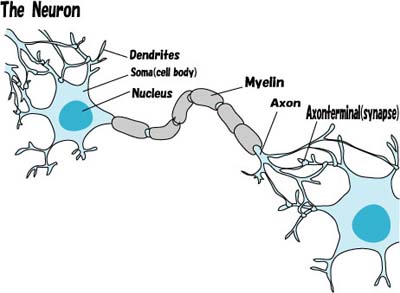
・The human nervous system is estimated to consist of roughly 360 billion non-neural glial cells and 100 billion nerve cells.
・Incidentally, the birth of multicellular organisms is the Cambrian about 600 million years ago.

○DNA(DeoxyriboNucleic Acid)
・Every person has about 25,000 different genes.
・Plant is an animal of seniors with 40,000 or more genes.
※Gene: The corresponding DNA sequence to a protein.
・The length of human DNA in a single cell is 1.8 meters. (2 nanometers wide)
※1nanometer is one point nine times ten to the minus second.
・The length of the blood vessels in the adult is about 100,000 km(1×10E5m).
※Earth's diameter is 12,700 km(1.27×10E4m).
・The world largest is 62-th power of 10 of the world smallest.
・DNA of human and chimpanzee is consistent 98.5 percent.
○World of Living thing
・The Biological World is made by the coincidences and an accumulation of trial and error of over 100 millions years. This was not inevitable. Susumu Tonegawa "Spirit and Matter"
○Cell
・Humans are made of about 100 trillion cells.
・The human nervous system is estimated to consist of roughly 360 billion non-neural glial cells and 100 billion nerve cells.
・Incidentally, the birth of multicellular organisms is the Cambrian about 600 million years ago.
○DNA(DeoxyriboNucleic Acid)
・Every person has about 25,000 different genes.
・Plant is an animal of seniors with 40,000 or more genes.
※Gene: The corresponding DNA sequence to a protein.
・The length of human DNA in a single cell is 1.8 meters. (2 nanometers wide)
※1nanometer is one point nine times ten to the minus second.
・The length of the blood vessels in the adult is about 100,000 km(1×10E5m).
※Earth's diameter is 12,700 km(1.27×10E4m).
・The world largest is 62-th power of 10 of the world smallest.
・DNA of human and chimpanzee is consistent 98.5 percent.
○World of Living thing
・The Biological World is made by the coincidences and an accumulation of trial and error of over 100 millions years. This was not inevitable. Susumu Tonegawa "Spirit and Matter"
31 細胞とDNA 【知性】宇宙との対話
31 細胞とDNA 【知性】宇宙との対話
○細胞
・人間は約100兆個の細胞でできている。
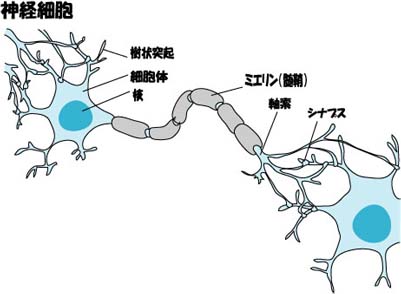
・脳の神経細胞は大脳で数百億個、小脳で1000億個、脳全体では千数百億個。
・ちなみに、多細胞生物が誕生したのは約6億年前のカンブリア紀。

○DNA(DeoxyriboNucleic Acid)
・ヒトは、約25,000個の遺伝子を持つ。
・動物の先輩である植物は、40,000個以上の遺伝子を持つ。
※遺伝子:実在が確かめられているタンパク質に対応するDNA配列。
(参 照)「遺伝子の数え方」福岡 伸一
http://www.sotokoto.net/jp/essay/?id=26
・人間のひとつの細胞中のDNAの長さは1.8メートル。(幅2ナノメートル)
※1ナノメートルは、10-9メートル
・成人の血管の長さは約10万キロメートル(1×10⁵m)。
※地球の直径は12,700キロメートル(1.27×10⁴m)。
・一番大きい世界は、一番小さい世界の10の62乗倍
・人間とチンパンジーのDNAは98.5%一致している。
○生物の世界
・生物の世界というのは、何億年にもわたる偶然の積み重ね、試行錯誤の積み重ねでいまこうなっているということであって、こうなった必然性なんてない。 利根川進「精神と物質」
○細胞
・人間は約100兆個の細胞でできている。
・脳の神経細胞は大脳で数百億個、小脳で1000億個、脳全体では千数百億個。
・ちなみに、多細胞生物が誕生したのは約6億年前のカンブリア紀。
○DNA(DeoxyriboNucleic Acid)
・ヒトは、約25,000個の遺伝子を持つ。
・動物の先輩である植物は、40,000個以上の遺伝子を持つ。
※遺伝子:実在が確かめられているタンパク質に対応するDNA配列。
(参 照)「遺伝子の数え方」福岡 伸一
http://www.sotokoto.net/jp/essay/?id=26
・人間のひとつの細胞中のDNAの長さは1.8メートル。(幅2ナノメートル)
※1ナノメートルは、10-9メートル
・成人の血管の長さは約10万キロメートル(1×10⁵m)。
※地球の直径は12,700キロメートル(1.27×10⁴m)。
・一番大きい世界は、一番小さい世界の10の62乗倍
・人間とチンパンジーのDNAは98.5%一致している。
○生物の世界
・生物の世界というのは、何億年にもわたる偶然の積み重ね、試行錯誤の積み重ねでいまこうなっているということであって、こうなった必然性なんてない。 利根川進「精神と物質」
30 What is the Universe?+The history of cosmology【What is the Universe?】Dialogue with the Universe
30 What is the Universe?+The history of cosmology【What is the Universe?】Dialogue with the Universe
Q:Why does the universe exist in spite of trouble?
Q:Can a unified theory of the universe explain the universe accurately?
Q:Or we need the Creator?
Q:If so, the Creator gives the effect of something else in the universe?
Q:And who created the Creator?
Source: "Brief History of Time" Stephen William Hawking (issued April 15, 1995)
【The history of cosmology】
1895 William James(1842-1910) coined the term Multi-Universe(Multiverse).
1900 Max Karl Ernst Ludwig Planck(1858 -1947) advocated that the light, X-rays and other electromagnetic waves were released as a constant mass that he called quantum.
1905 Special relativity・・・Theory of electromagnetism that Albert Einstein(1879-1955) announced.
1913 Bohr's model(Niels Henrik David Bohr(1885-1962))・・・A pioneer of quantum mechanics (Old quantum theory).
・Electron is a wave.
・The length of the electrons orbit around the nucleus is an integer multiple of the electron wavelength (10 minus 10 square m).
(Bohr, de Broglie)
1915-1916 General theory of relativity(General relativity)(Einstein) [Electromagnetic force + gravity]
・Einstein explained that the gravity caused by the mass distort the space-time.
• When written in Newtonian mechanics the phenomenon of error increases (movement in the near to the speed of light or large gravitational field) can be correctly described.
• In general relativity, spacetime is expected never to stay inflated or deflated steady or the black hole is expected to forme when a large mass to concentrate on limited space.
1920s Quantum mechanics
・Atomic, electronic and electromagnetic waves have the characteristics of the particles and waves.
1922 Friedman found the expanding universe solutions in general relativity equations.
1925 Pauli exclusion principle
1926 Werner Heisenberg was put together the uncertainty principle.
※Uncertainty principle:It is a characteristic of the system, such as the wave. In knowing pair of physical properties (eg position and momentum) at the same time, there is a fundamental limit of accuracy.
1928 Dirac theory
・Either both consistent:theory of quantum mechanics and special relativity
・There is positron that is the partner of electron.
1929 Discovery of cosmic expansion(the redshift)(Edwin Powell Hubble)
1932 Discovery of positron
1934 Dark matter(Fritz Zwicky)
1948 -Big Bang model
-Quantum electrodynamics, QED [Electromagnetic force ]
• Electromagnetic interaction acting between charged particles, including electrons is caused by the transfer of particles called photons.
1957 Bryce Seligman DeWitt (1923–2004) coined the term many-worlds interpretation; MWI.
1964
・Peter Ware Higgs proposed the theory of generation of mass.
・Cosmic microwave background (radiation)(; CMB、CMBR)discovered.
1968 Weinberg-Salam theory [Electromagnetic force + Weak interaction]
1970 Penrose and Hawkins (co-authored paper)
・On the basis of the general relativity theory, they were finally prove that should there was a big bang singularity in the very early universe.
• In the singularity, the effect of small scale of quantum mechanics dealing can not be ignored.
• However, if you take into account the quantum effect, singularities disappear. ...?
1970s
・Only one force was present in the beginning of the universe, then, the force was divided into electromagnetic force, weak interaction, strong interaction and gravity, so physicists are trying to expresse these four forces in one form.
-Standard Model, SM [Electromagnetic force + Weak interaction(+ Strong interaction)] 【Reference】No.22 Standard theory(Standard model)
-Grand unification theory or Grand unified theory、GUT[Electromagnetic force + Weak interaction+ Strong interaction]
【Reference】No.24 Cosmology based on theory of elementary particles
The late 1970s -Quantum chromodynamics
【Reference】No.22 Standard theory(Standard model)
1980s Cosmology based on theory of elementary particles
【Reference】No.24 Cosmology based on theory of elementary particles
1981 Cosmic inflation Theory
1984 Superstring Theory [Electromagnetic force + Weak interaction+Strong interaction + Gravity] 【Reference】No.26 Superstring Theory
1986~ Loop Quantum Gravity【Reference】No.27 Loop Quantum Gravity
1993 Fritz Zwicky coined the term dark matter.
【Reference】No.11 Dark Matter and Dark Energy
1995 M-theory[Electromagnetic force + Weak interaction+Strong interaction + Gravity] 【Reference】No.28 M-theory
1998 -Michael S. Turner coined the term dark energy.
【Reference】No.11 Dark Matter and Dark Energy
-Observed the accelerated expansion of the universe(Brian P. Schmidt)
Q:Why does the universe exist in spite of trouble?
Q:Can a unified theory of the universe explain the universe accurately?
Q:Or we need the Creator?
Q:If so, the Creator gives the effect of something else in the universe?
Q:And who created the Creator?
Source: "Brief History of Time" Stephen William Hawking (issued April 15, 1995)
【The history of cosmology】
1895 William James(1842-1910) coined the term Multi-Universe(Multiverse).
1900 Max Karl Ernst Ludwig Planck(1858 -1947) advocated that the light, X-rays and other electromagnetic waves were released as a constant mass that he called quantum.
1905 Special relativity・・・Theory of electromagnetism that Albert Einstein(1879-1955) announced.
1913 Bohr's model(Niels Henrik David Bohr(1885-1962))・・・A pioneer of quantum mechanics (Old quantum theory).
・Electron is a wave.
・The length of the electrons orbit around the nucleus is an integer multiple of the electron wavelength (10 minus 10 square m).
(Bohr, de Broglie)
1915-1916 General theory of relativity(General relativity)(Einstein) [Electromagnetic force + gravity]
・Einstein explained that the gravity caused by the mass distort the space-time.
• When written in Newtonian mechanics the phenomenon of error increases (movement in the near to the speed of light or large gravitational field) can be correctly described.
• In general relativity, spacetime is expected never to stay inflated or deflated steady or the black hole is expected to forme when a large mass to concentrate on limited space.
1920s Quantum mechanics
・Atomic, electronic and electromagnetic waves have the characteristics of the particles and waves.
1922 Friedman found the expanding universe solutions in general relativity equations.
1925 Pauli exclusion principle
1926 Werner Heisenberg was put together the uncertainty principle.
※Uncertainty principle:It is a characteristic of the system, such as the wave. In knowing pair of physical properties (eg position and momentum) at the same time, there is a fundamental limit of accuracy.
1928 Dirac theory
・Either both consistent:theory of quantum mechanics and special relativity
・There is positron that is the partner of electron.
1929 Discovery of cosmic expansion(the redshift)(Edwin Powell Hubble)
1932 Discovery of positron
1934 Dark matter(Fritz Zwicky)
1948 -Big Bang model
-Quantum electrodynamics, QED [Electromagnetic force ]
• Electromagnetic interaction acting between charged particles, including electrons is caused by the transfer of particles called photons.
1957 Bryce Seligman DeWitt (1923–2004) coined the term many-worlds interpretation; MWI.
1964
・Peter Ware Higgs proposed the theory of generation of mass.
・Cosmic microwave background (radiation)(; CMB、CMBR)discovered.
1968 Weinberg-Salam theory [Electromagnetic force + Weak interaction]
1970 Penrose and Hawkins (co-authored paper)
・On the basis of the general relativity theory, they were finally prove that should there was a big bang singularity in the very early universe.
• In the singularity, the effect of small scale of quantum mechanics dealing can not be ignored.
• However, if you take into account the quantum effect, singularities disappear. ...?
1970s
・Only one force was present in the beginning of the universe, then, the force was divided into electromagnetic force, weak interaction, strong interaction and gravity, so physicists are trying to expresse these four forces in one form.
-Standard Model, SM [Electromagnetic force + Weak interaction(+ Strong interaction)] 【Reference】No.22 Standard theory(Standard model)
-Grand unification theory or Grand unified theory、GUT[Electromagnetic force + Weak interaction+ Strong interaction]
【Reference】No.24 Cosmology based on theory of elementary particles
The late 1970s -Quantum chromodynamics
【Reference】No.22 Standard theory(Standard model)
1980s Cosmology based on theory of elementary particles
【Reference】No.24 Cosmology based on theory of elementary particles
1981 Cosmic inflation Theory
1984 Superstring Theory [Electromagnetic force + Weak interaction+Strong interaction + Gravity] 【Reference】No.26 Superstring Theory
1986~ Loop Quantum Gravity【Reference】No.27 Loop Quantum Gravity
1993 Fritz Zwicky coined the term dark matter.
【Reference】No.11 Dark Matter and Dark Energy
1995 M-theory[Electromagnetic force + Weak interaction+Strong interaction + Gravity] 【Reference】No.28 M-theory
1998 -Michael S. Turner coined the term dark energy.
【Reference】No.11 Dark Matter and Dark Energy
-Observed the accelerated expansion of the universe(Brian P. Schmidt)
30 宇宙とは?+宇宙論の歴史【宇宙とは】宇宙との対話
30 宇宙とは?+宇宙論の歴史【宇宙とは】宇宙との対話
Q:宇宙はなぜ、存在するという面倒なことをするのか?
Q:統一理論には自分自身の存在をもたらすほど大きな強制力があるのか?
Q:それとも創造主が必要なのか?
Q:もしそうだとすれば、創造主は宇宙に何か他の影響も与えるのではなかろうか?
Q:そして、創造主を創造したのはだれなのか?
出典:「ホーキング宇宙を語る」スティーブン・W・ホーキング(1995年4月15日発行)
(p.239)
【宇宙論の歴史】
1895年 ウィリアム・ジェームズ 多元宇宙という言葉を作る。
1900年 マックス・プランク(1858 -1947) は、光、X線その他の電磁波は、量子と彼
が呼んだ一定のかたまりとして放出されると唱えた。
1905年 特殊相対性理論:アルベルト・アインシュタイン(1879-1955)が発表した
電磁気学の理論。[電磁気力]
1913年 ボーアの原子模型(ニールス・ボーア(1885-1962)):電子は波で、原子核を回る軌道の長さは波長(10のマイナス10乗m)の整数倍(ボーア、ド・ブロイ)
1915-1916年 一般相対性理論[電磁気力+重力]
・質量が時空間を歪ませることによって、重力が生じることを説明した。
・ニュートン力学で記述すると誤差が大きくなる現象(光速度に近い運動や、大きな重力場における運動)を正しく記述できる。
・時空は膨張または収縮し、定常にとどまることがないこと、限られた空間に大きな質量が集中すると、光さえ脱出できないブラックホールが形成されることを予測した。
1920年代 量子力学
・原子・電子・電磁波は粒子としての特徴をもつと同時に波としての特徴をもつ。
1922 年 フリードマンが一般相対論方程式の中に膨張宇宙解を見つけた。
1925年 パウリの排他原理
1926年 ヴェルナー・ハイゼンベルグが、不確定性原理をまとめあげた。
※不確定性原理:波のような系に備わっている特性。一対の物理的性質(例えば位置と運動量)を同時に知ることには、精度の根本的限界がある。
1928年 ディラック理論・・・量子力学と特殊相対性理論のどちらとも整合性のある理論
→電子にはパートナーとなる陽電子がある。
1929年 宇宙膨張(銀河の赤方遷移)の発見(エドウィン・パウエル・ハッブル)
1932年 陽電子の発見
1934年 暗黒物質(フリッツ・ツビッキー)
1948年-ビッグバン・モデル(ガモフ)
-量子電磁力学(Quantum electrodynamics, QED)[電磁気力]
・電子を始めとする荷電粒子間に働く電磁相互作用を光子という粒子の受け渡しにより説明した。
1957年 ブライス・デウィットが多世界解釈を提唱。
1964年
・ピーター・ヒッグスが質量の生成に関する理論を提唱した。
・宇宙マイクロ波背景放射の発見
1968年 ワインバーグ=サラム理論[電磁気力+弱い力]
1970年 ペンローズとホーキングの共著論文
:一般相対論が正しく、かつ宇宙が、われわれが現に観測しているのと同じ程度の物質を含んでさえいれば、宇宙のごく初期にはビッグバン特異点があったはずだということを最終的に証明した。
・特異点では、量子力学が扱う小さな尺度の効果が無視できなくなる。
・しかし、量子効果を考慮に入れると特異点は消え去る。・・・?
1970年代
・宇宙の始まりに存在したのは唯1つの力だけで、その後、電磁気力、弱い力、強い力、重力の四つに分かれたという考え方から、これら四つの力を一つの形で表して統一しようとしている。
○標準理論( Standard Model, SM) [電磁気力+弱い力(+強い力)]
【参照】No.22 標準理論(標準モデル)
○大統一理論(Grand unification theory or Grand unified theory、GUT)[電磁気力+弱い力+強い力] 【参照】No.24 素粒子論的宇宙論
1970年代後半 量子色力学【参照】No.22 標準理論
1981年 インフレーション理論
1984年 超弦理論(Superstring theory 1984) [電磁気力+弱い力+強い力+重力]
【参照】No.26 超弦理論
1986年~ ループ量子重力理論【Reference】No.27 ループ量子重力理論
1993年 フリッツ・ツビッキーが暗黒物質を提唱
【参照】No.11 暗黒物質と暗黒エネルギー
1995年 M理論[電磁気力+弱い力+強い力+重力] 【参照】No.28 M理論
1998年 -マイケル・ターナー 暗黒エネルギーという言葉を作る。
【参照】No.11 暗黒物質と暗黒エネルギー
-宇宙の加速膨張を観測(ブライアン・シュミット)
Q:宇宙はなぜ、存在するという面倒なことをするのか?
Q:統一理論には自分自身の存在をもたらすほど大きな強制力があるのか?
Q:それとも創造主が必要なのか?
Q:もしそうだとすれば、創造主は宇宙に何か他の影響も与えるのではなかろうか?
Q:そして、創造主を創造したのはだれなのか?
出典:「ホーキング宇宙を語る」スティーブン・W・ホーキング(1995年4月15日発行)
(p.239)
【宇宙論の歴史】
1895年 ウィリアム・ジェームズ 多元宇宙という言葉を作る。
1900年 マックス・プランク(1858 -1947) は、光、X線その他の電磁波は、量子と彼
が呼んだ一定のかたまりとして放出されると唱えた。
1905年 特殊相対性理論:アルベルト・アインシュタイン(1879-1955)が発表した
電磁気学の理論。[電磁気力]
1913年 ボーアの原子模型(ニールス・ボーア(1885-1962)):電子は波で、原子核を回る軌道の長さは波長(10のマイナス10乗m)の整数倍(ボーア、ド・ブロイ)
1915-1916年 一般相対性理論[電磁気力+重力]
・質量が時空間を歪ませることによって、重力が生じることを説明した。
・ニュートン力学で記述すると誤差が大きくなる現象(光速度に近い運動や、大きな重力場における運動)を正しく記述できる。
・時空は膨張または収縮し、定常にとどまることがないこと、限られた空間に大きな質量が集中すると、光さえ脱出できないブラックホールが形成されることを予測した。
1920年代 量子力学
・原子・電子・電磁波は粒子としての特徴をもつと同時に波としての特徴をもつ。
1922 年 フリードマンが一般相対論方程式の中に膨張宇宙解を見つけた。
1925年 パウリの排他原理
1926年 ヴェルナー・ハイゼンベルグが、不確定性原理をまとめあげた。
※不確定性原理:波のような系に備わっている特性。一対の物理的性質(例えば位置と運動量)を同時に知ることには、精度の根本的限界がある。
1928年 ディラック理論・・・量子力学と特殊相対性理論のどちらとも整合性のある理論
→電子にはパートナーとなる陽電子がある。
1929年 宇宙膨張(銀河の赤方遷移)の発見(エドウィン・パウエル・ハッブル)
1932年 陽電子の発見
1934年 暗黒物質(フリッツ・ツビッキー)
1948年-ビッグバン・モデル(ガモフ)
-量子電磁力学(Quantum electrodynamics, QED)[電磁気力]
・電子を始めとする荷電粒子間に働く電磁相互作用を光子という粒子の受け渡しにより説明した。
1957年 ブライス・デウィットが多世界解釈を提唱。
1964年
・ピーター・ヒッグスが質量の生成に関する理論を提唱した。
・宇宙マイクロ波背景放射の発見
1968年 ワインバーグ=サラム理論[電磁気力+弱い力]
1970年 ペンローズとホーキングの共著論文
:一般相対論が正しく、かつ宇宙が、われわれが現に観測しているのと同じ程度の物質を含んでさえいれば、宇宙のごく初期にはビッグバン特異点があったはずだということを最終的に証明した。
・特異点では、量子力学が扱う小さな尺度の効果が無視できなくなる。
・しかし、量子効果を考慮に入れると特異点は消え去る。・・・?
1970年代
・宇宙の始まりに存在したのは唯1つの力だけで、その後、電磁気力、弱い力、強い力、重力の四つに分かれたという考え方から、これら四つの力を一つの形で表して統一しようとしている。
○標準理論( Standard Model, SM) [電磁気力+弱い力(+強い力)]
【参照】No.22 標準理論(標準モデル)
○大統一理論(Grand unification theory or Grand unified theory、GUT)[電磁気力+弱い力+強い力] 【参照】No.24 素粒子論的宇宙論
1970年代後半 量子色力学【参照】No.22 標準理論
1981年 インフレーション理論
1984年 超弦理論(Superstring theory 1984) [電磁気力+弱い力+強い力+重力]
【参照】No.26 超弦理論
1986年~ ループ量子重力理論【Reference】No.27 ループ量子重力理論
1993年 フリッツ・ツビッキーが暗黒物質を提唱
【参照】No.11 暗黒物質と暗黒エネルギー
1995年 M理論[電磁気力+弱い力+強い力+重力] 【参照】No.28 M理論
1998年 -マイケル・ターナー 暗黒エネルギーという言葉を作る。
【参照】No.11 暗黒物質と暗黒エネルギー
-宇宙の加速膨張を観測(ブライアン・シュミット)
登録:
投稿 (Atom)